
Every year, new computer science students arrive at Stony Brook with the same quiet question: How do I start building something real?
Project Quack was created for those students, but it doesn’t end with them. Hosted by the student-run organization Stony Brook Computing Society (SBCS), the mentorship program reflects a shift within the organization itself: from a place where students learn individually to a community where knowledge is shared, explained, and passed down. It’s the beginning of a cycle of support.
In Project Quack, students don’t just learn how to build software. They learn how to teach — first to their teammates, then to a broader audience.
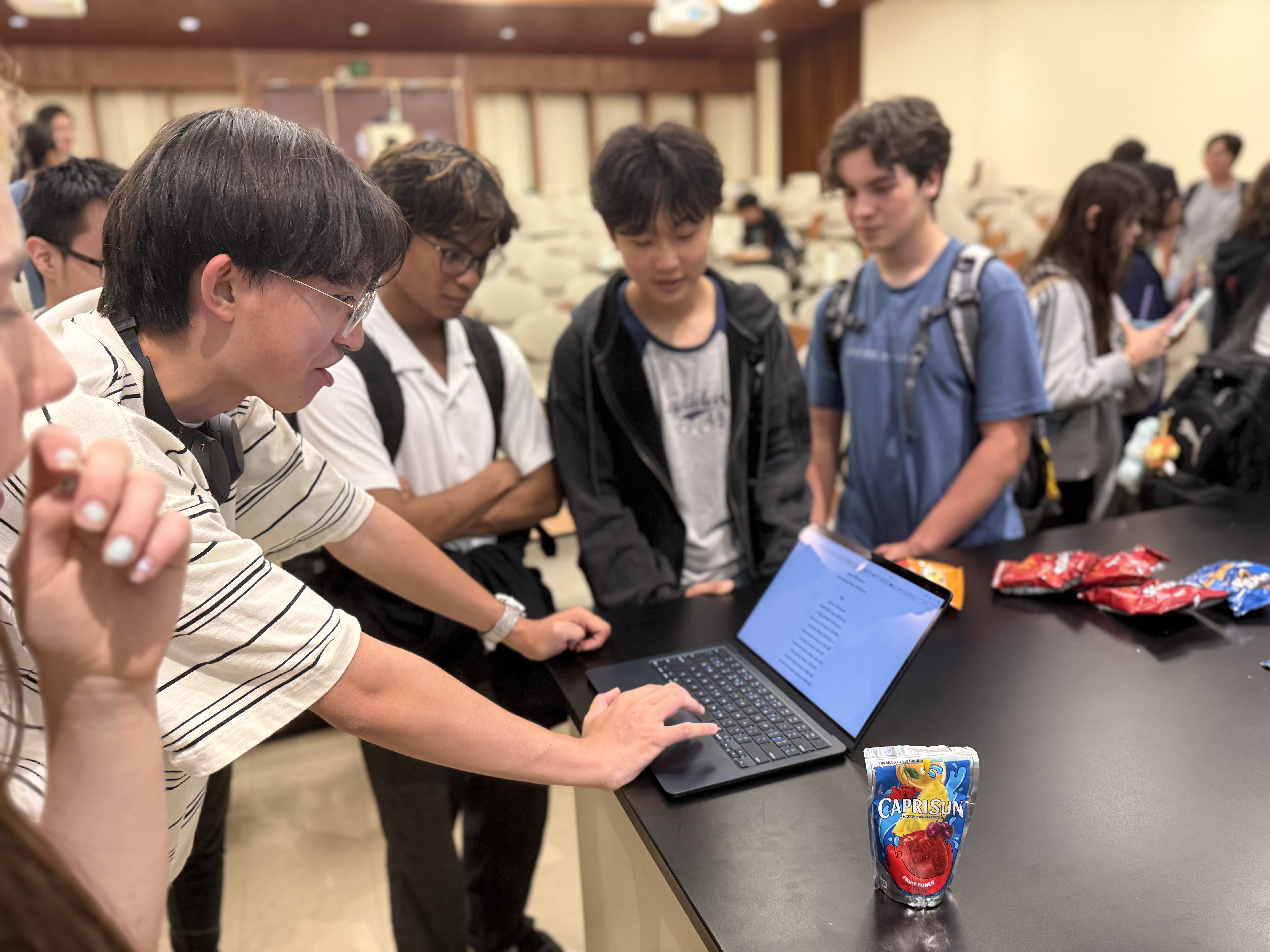
Eduardo Lozano, vice president of SBCS, says the motivation behind Project Quack came from seeing two needs overlap: a need for students to build and a need for community. “A lot of people want to make stuff, but they don’t know where to start,” he said. “So as long as you have a little jumpstart, that’s all it takes to get the ball rolling. By having your co-mentees in your group, you have people to bounce ideas off of, as well as other groups to explain your projects to.” Project Quack pairs mentees with more experienced students who can provide that initial guidance, creating a support system for students who may not yet be involved in research or other structured programs.
The mentorship model is intentionally flexible. Students propose projects based on their interests, and mentors are matched according to their strengths. While mentors may work alongside their mentees, their role is primarily to guide rather than direct. The result is a wide range of student-built projects — from community tools and data visualizations to stock-trading simulations and video games.
But Project Quack didn’t emerge in isolation. Its creation was made possible by the rapid growth of SBCS itself. Just a few years ago, the club’s leadership was much smaller, limiting the scope of what it could support. “We had alumni who graduated who wanted to do this sort of mentorship program in their time, but there weren’t enough members in the club,” Lozano said. As the organization expanded, so did its capacity to support deeper forms of engagement.
That growth has transformed Project Quack into something more than a project incubator. At its core, the program emphasizes communication, independence, and teamwork — skills that extend far beyond any single application. “It’s not just about getting the technology working,” Lozano said. “It’s about being able to explain it to others. No matter how good of a programmer you are, if you can’t teach it to the person after you, you don’t really have those communication skills.” For many students, learning to articulate their ideas is as important as writing the code itself.
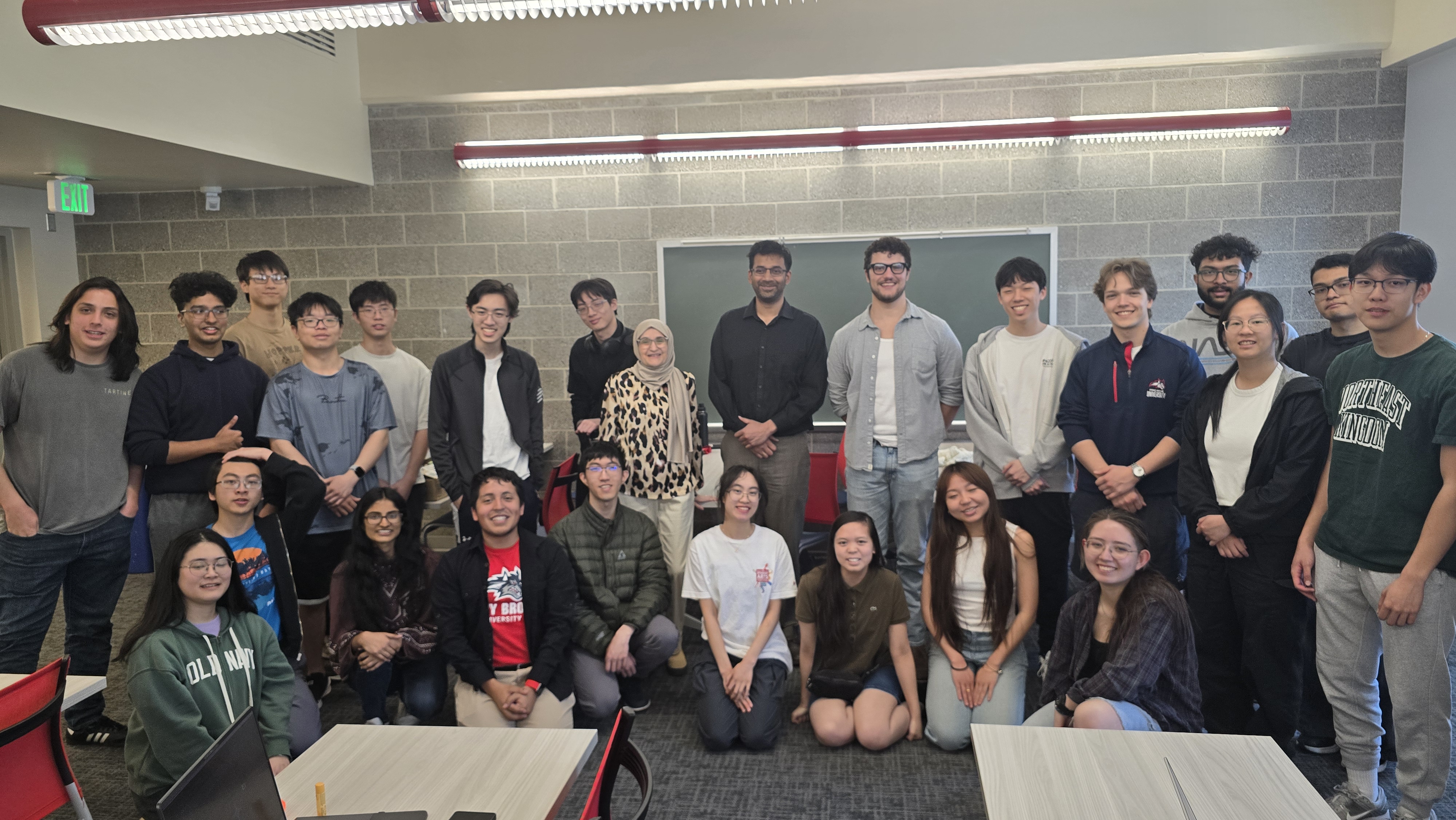
Throughout the year, teams participate in regular check-ins and informal demos, building towards a culminating symposium at the end of the spring semester. The symposium serves as a turning point for many participants: a moment when students who once weren’t sure how to begin are now explaining their work to peers, faculty, and alumni. Last year, the event drew former students and supporters — and even led to internship opportunities for two of the presenters.
Project Quack is just one part of the broader ecosystem fostered by the Stony Brook Computing Society. The organization hosts weekly technical and social events, alumni and company visits, and large-scale initiatives like hackathons — all designed to help students connect, collaborate, and grow together. For Lozano, the goal is simple but ambitious: to strengthen the undergraduate CS community by making sure students don’t have to navigate it alone.
“Alone, you go fast; together, you go far,” he said. In Project Quack, that philosophy isn’t just a saying — it’s a cycle, renewed each year as students learn, build, explain, and eventually help the next person take their first step.